
 Do you ever feel like your body is just… off?
❌ Tired for no reason.
❌ Moody.
❌ Anxious.
❌ Not sleeping well.
❌ Low energy.
❌ Low libido.
❌ Brain fog.
❌ Cravings.
❌ Weight that won’t budge.
Most people blame stress. Aging. Hormones. Life.
But what if there was one nutrient quietly affecting all of those things at the same time?
There is.
Vitamin D.
And here’s the part most people don’t know:
Vitamin D doesn’t just act like a vitamin…
It acts like a hormone regulator.
Vitamin D receptors are found in your endocrine glands and throughout your body, meaning it helps control how many of your most important hormones function.
Here are 7 major hormones that rely on vitamin D to do their job properly.
1️⃣ Cortisol — Your Stress Hormone
Cortisol controls how your body responds to stress.
When it’s balanced, you feel alert, calm, and resilient.
When it’s off, you feel:
- Wired and tired
- Anxious
- Burned out
- Unable to relax
Low vitamin D levels have been linked to disrupted cortisol patterns — which is one reason people often feel more anxious, overwhelmed, and stressed during the winter months when vitamin D levels drop.
2️⃣ Testosterone & Estrogen — Your Sex Hormones
Both men and women rely on vitamin D for healthy sex hormone production and balance.
Low vitamin D has been associated with:
- Low testosterone
- Estrogen imbalance
- Low libido
- Low energy
- Mood swings
- Fertility challenges
This is one of the most overlooked reasons people feel “hormonal” but can’t figure out why.
3️⃣ Serotonin & Dopamine — Your Mood Chemicals
Vitamin D receptors are found throughout the brain.
Research shows vitamin D plays a role in pathways that regulate serotonin and dopamine — the chemicals that control mood, motivation, and feelings of well-being.
This helps explain why low vitamin D is linked to:
- Depression
- Low motivation
- Seasonal affective disorder (SAD)
- Brain fog
4️⃣ Melatonin — Your Sleep Hormone
 If your sleep gets worse in the winter, vitamin D may be why.
Vitamin D helps regulate your circadian rhythm — your body’s internal clock.
When levels are low, people often struggle with:
- Falling asleep
- Staying asleep
- Waking up tired
5️⃣ Thyroid Hormones — Your Metabolism Regulators
Many people with thyroid issues are also low in vitamin D.
That’s because vitamin D helps regulate immune function, and many thyroid problems are autoimmune in nature.
Low vitamin D has been linked to:
- Sluggish metabolism
- Low energy
- Feeling cold
- Weight struggles
6️⃣ Insulin — Your Blood Sugar Hormone
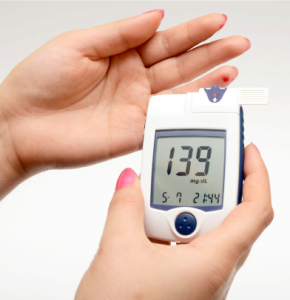 Vitamin D plays a role in insulin sensitivity.
When levels are low, people are more likely to experience:
- Energy crashes
- Cravings
- Blood sugar swings
- Difficulty losing weight
This surprises a lot of people — but the connection is well documented.
7️⃣ Parathyroid Hormone — Your Calcium Regulator
This is where vitamin K2 becomes incredibly important.
Vitamin D helps you absorb calcium.
Parathyroid hormone regulates calcium levels in your blood.
But without vitamin K2…
Calcium may not go where it’s supposed to go (your bones and teeth).
Instead, it can end up in soft tissues and arteries.
This is why vitamin D3 and K2 are meant to work together.
Why So Many People Are Low in Vitamin D
Your body can only make vitamin D from sunlight under very specific conditions:
- Strong UV rays
- Enough skin exposed
- The right time of year
- Time spent outdoors
For most people, that’s just not happening.
Especially in the winter.
Even people who supplement or live in sunnier climates may still be low, according to research.
The Absorption Problem Nobody Talks About
Vitamin D is fat-soluble.
That means standard capsules, tablets, and softgels are often poorly absorbed.
A large portion of what you take can pass through your system unused.
So even if you’re supplementing…
Your body may not be getting the full benefit.
Why Delivery Method Matters
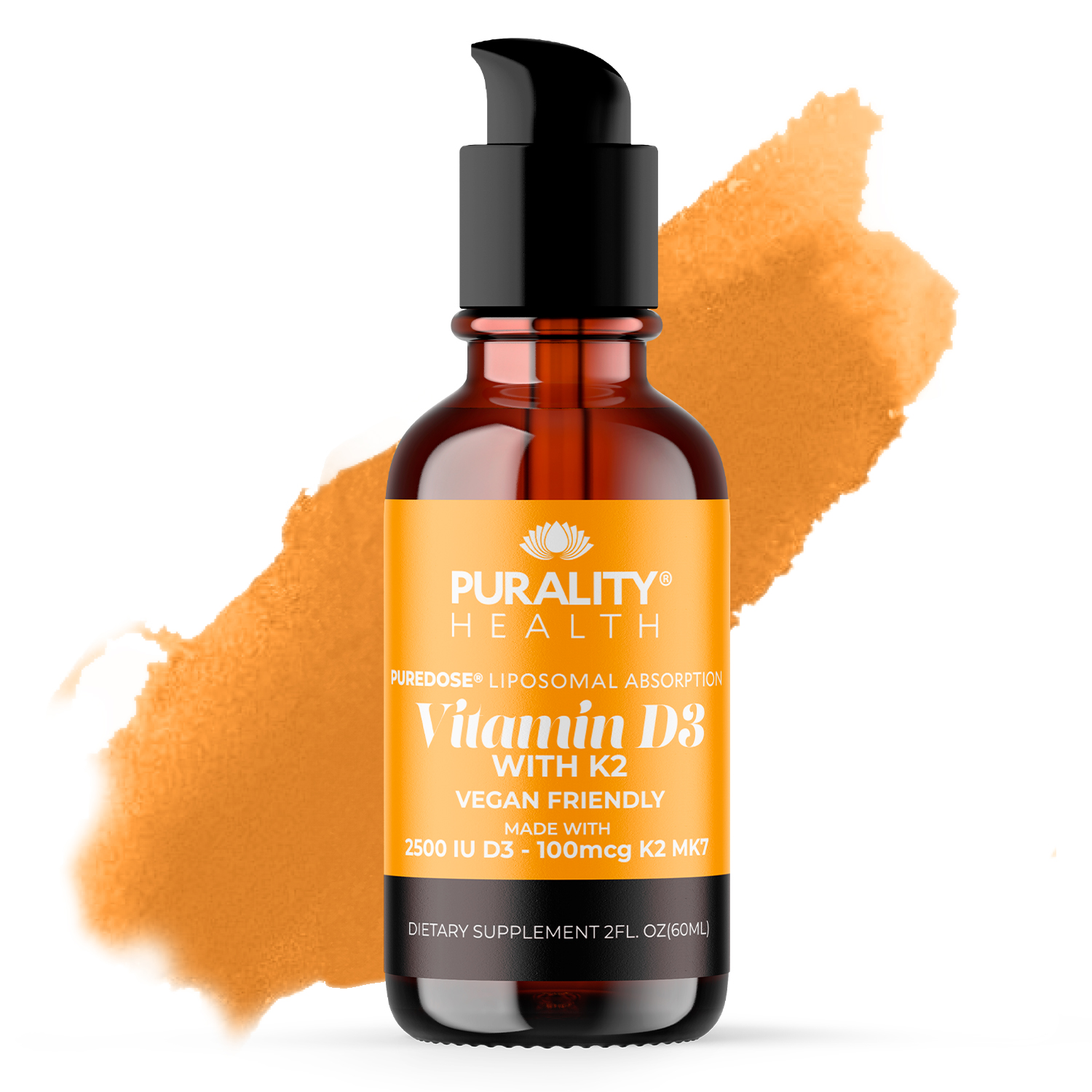
This is why Purality Health uses Micelle Liposomal delivery technology in our Vitamin D3/K2 formula.
This patented system helps protect these nutrients through digestion and allows them to be absorbed far more efficiently into the bloodstream — where your hormones and cells can actually use them.
 The Takeaway
If your hormones feel “off,” don’t immediately blame age, stress, or genetics.
Start by checking your vitamin D levels.
Because this one nutrient quietly influences more hormones than almost anything else in your body.
And when you support it properly — with both D3 and K2, in a form your body can truly absorb — everything from your mood, to your sleep, to your energy, to your metabolism can begin to feel more balanced again.