
When most people think about protecting their long-term health, they focus on the big, obvious numbers: cholesterol, blood pressure, blood sugar, heart rate…
But there’s another number that quietly influences all of those, yet barely anyone talks about it.
It’s called homocysteine: a natural amino acid your body produces every day. On its own, it’s not dangerous. But when levels rise too high? Studies show it may contribute to issues involving your heart, memory, nerves, mood, and energy.
Here’s the twist most people never hear from their doctor:
Your body relies heavily on Vitamin B12 to keep homocysteine in a safe, healthy range. Without enough usable B12, homocysteine can accumulate — even if your blood test says your B12 levels look “normal.”
And that’s where the problems start.
Let’s break down the seven biggest reasons your homocysteine levels matter more than you think and why B12 plays such a crucial role in keeping this silent risk factor under control.
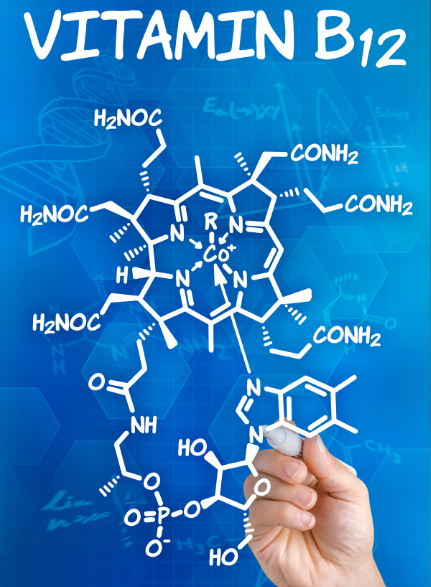 1. Homocysteine Is Harmless… Until It Builds Up
Your body naturally creates homocysteine as it breaks down protein — totally normal. But it’s supposed to convert most of it into other beneficial compounds, like methionine.
To make that conversion happen, your body requires a trio of nutrients:
1️⃣ Vitamin B12
2️⃣ Vitamin B6
3️⃣ Folate
If any of these are low — especially B12 — that conversion slows down and homocysteine begins to accumulate.
Over time, elevated homocysteine can cause damage in multiple systems throughout the body.
2. High Homocysteine Is Linked to Heart and Blood Vessel Damage
This is one of the biggest reasons doctors pay attention to homocysteine.
Research shows elevated levels may contribute to:
- Stiffening arteries
- Increased inflammation
- Oxidative stress
- Damage to the lining of blood vessels
This creates a perfect storm that raises the risk of:
- Heart attack
- Stroke
- Blood clots
- Circulation issues
Since B12 is required to convert homocysteine into something safer, insufficient B12 can make this risk climb — even in people who think they’re doing everything right for their heart.
3. It Plays a Major Role in Brain Aging and Memory Loss
 One of the most eye-opening findings in recent years? High homocysteine is closely associated with:
- Faster brain shrinkage
- Poor memory
- Cognitive decline
- Higher dementia risk
The brain is incredibly sensitive to elevated homocysteine. And because B12 is essential for nerve protection and cognitive function, low B12 + high homocysteine becomes a one-two punch that accelerates wear and tear on the brain.
This is one reason neurologists often check homocysteine when investigating unexplained brain fog, memory issues, or mood changes.
4. It Can Worsen Nerve Pain, Tingling, and Numbness
If you’ve ever felt:
- Pins-and-needles
- Tingling hands or feet
- Burning sensations
- Unexplained nerve pain
Homocysteine might be part of the story.
High homocysteine can irritate and damage peripheral nerves. Meanwhile, low B12 — which is extremely common — also causes nerve issues.
This pairing creates a “double-hit” effect that amplifies symptoms.
People are often shocked when nerve discomfort eases after correcting B12 deficiency and lowering homocysteine.
5. Elevated Homocysteine Can Drain Your Energy
 Homocysteine affects energy through several pathways:
- It interferes with healthy red blood cell formation
- It can impair oxygen delivery
- It damages mitochondria (your cells’ energy factories)
This is why high homocysteine is often connected to:
- Low stamina
- Feeling “weak” or “sluggish”
- Fatigue despite sleeping well
- Exercise intolerance
Since B12 is required for red blood cell production and neurological energy signaling, it’s a critical nutrient for preventing this low-energy spiral.
6. You Can Have “Normal” B12 Levels — But Still High Homocysteine
This is the part most people never hear:
A standard B12 blood test doesn’t tell you how well your cells are actually USING B12.
Someone can have a “normal” B12 reading on paper, yet still have high homocysteine because:
- Their body isn’t absorbing B12 effectively
- Their cells aren’t able to utilize B12 properly
- They’re taking a form of B12 that isn’t bioactive enough
- Their stomach acid or intrinsic factor is low
- Age, medications, stress, or digestive issues reduce uptake
This is why homocysteine is considered a more precise functional marker of B12 status than serum B12 alone.
If homocysteine is high, the body is essentially saying: “I don’t have the B12 I need — even if the lab report looks okay.”
7. Liposomal B12 Helps Get B12 Where It’s Actually Needed
Traditional B12 supplements — pills, tablets, gummies — must pass through:
- The stomach
- Digestive enzymes
- Intrinsic factor
- The small intestine
If any step is compromised (and for many adults, at least one is), absorption plummets.
This is why even people who take B12 daily sometimes still have high homocysteine.
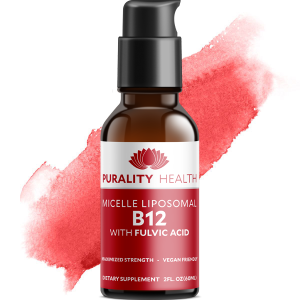 Liposomal B12 changes that.
Purality Health’s Micelle Liposomal Vitamin B12 wraps B12 in a protective lipid layer that helps it:
- Bypass many digestive barriers
- Absorb more efficiently
- Deliver B12 directly to your cells
- Support healthy homocysteine metabolism where it actually happens
This makes it an ideal choice for anyone who:
- Has symptoms of low B12
- Has high homocysteine
- Has “normal” B12 but still feels off
- Is over age 50
- Takes medications that impair absorption
- Has digestive issues
- Wants better brain, heart, and nerve protection
Most people focus on the usual markers: blood pressure, cholesterol, blood sugar…
But hidden deep in your body’s chemistry is homocysteine — a quiet number with big influence over your:
- Heart
- Brain
- Nerves
- Energy
- Longevity
Keeping it in a healthy range is one of the most important (and most overlooked) steps you can take for long-term wellness.