
What Is Glutathione?
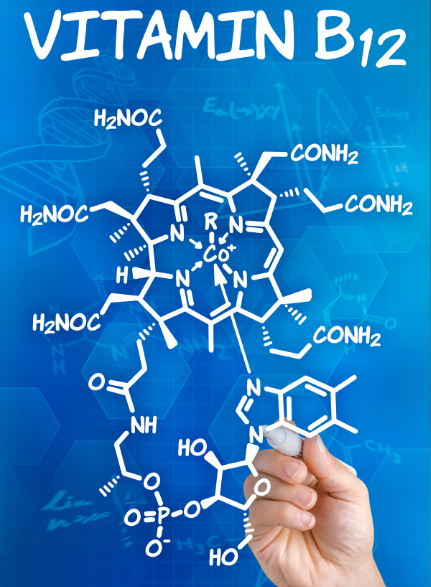 If there’s one molecule your body relies on more than almost anything else for protection, repair, and daily function, it’s glutathione. Often called the “master antioxidant,” glutathione is a small but powerful compound that works inside every cell you have—especially liposomal glutathione. Its job? To keep you healthy, energized, and resilient—especially in a world filled with stress, toxins, and environmental challenges.
Unlike many antioxidants you get from food (such as vitamin C or vitamin E), glutathione is made inside your body. It’s built from three amino acids—glutamine, glycine, and cysteine—which come together to create one of the most important protective molecules in human biology.
Where Glutathione Works
Glutathione is found in nearly all your tissues, but it’s especially concentrated in the:
- Liver – your body’s main detox organ
- Lungs – where it protects against pollutants
- Brain – where it helps lower oxidative stress
- Immune system – supporting white blood cell activity
- Mitochondria – the “power plants” inside your cells
Because it’s everywhere, glutathione plays roles in almost every major part of your health—from immunity and detoxification to energy production, aging, cognitive health, and even the appearance of your skin.
Why Is Glutathione So Important?
Glutathione is unique for three main reasons:
- It directly neutralizes harmful free radicals before they hurt your cells.
- It recycles other antioxidants, restoring vitamins C and E so they can keep working.
- It supports detoxification, especially in the liver, by binding to toxins and helping remove them from your body.
When glutathione levels are high, your cells stay healthy and energized. When levels drop, oxidative stress rises and your body becomes more vulnerable to fatigue, inflammation, aging, and illness.
That’s why glutathione is not just another antioxidant. It’s the foundation that helps keep your entire system balanced and functioning at its best.
Types of Glutathione: GSH vs. GSSG
To understand how glutathione truly works, it helps to know that it exists in two different forms, each playing a role in protecting your cells. These forms are known as reduced glutathione (GSH) and oxidized glutathione (GSSG).
Learning the difference matters because the ratio between these two forms is one of the most important markers of your overall cellular health.
Reduced Glutathione (GSH): The Active, Protective Form
This is the form your body relies on most. GSH is the “working” form of glutathione, ready to neutralize free radicals and detoxify harmful compounds.
What GSH does:
- Donates electrons to unstable molecules (free radicals)
- Protects your cells, DNA, and mitochondria
- Helps regenerate vitamins C and E
- Supports liver detox pathways
- Helps keep inflammation under control
When people talk about the benefits of glutathione—like energy, detox, glowing skin, and immunity—they’re talking about what GSH does.
Oxidized Glutathione (GSSG): The “Used Up” Form
Once GSH has neutralized a free radical, it becomes oxidized and turns into GSSG.
Think of this like a sponge soaked with toxins. It has done its job, and now it needs to be refreshed.
What your body does next:
Your cells use natural enzymes to convert GSSG back into GSH, restoring your antioxidant defenses. This cycle happens constantly, thousands of times per second, all throughout your body. Pretty incredible, right?
The GSH:GSSG Ratio — The Real Indicator of Cellular Health
Most people think total glutathione level is what matters. But what really tells the story is the ratio between GSH (active) and GSSG (used).
A high GSH:GSSG ratio means:
- Your cells are well-protected
- Oxidative stress is low
- Inflammation is under control
- Mitochondria are functioning well
- You’re aging more slowly at the cellular level
A low ratio means:
- Your antioxidant defenses are struggling
- Toxins aren’t being cleared efficiently
- Inflammation is rising
- Your cells are under oxidative stress
This imbalance is associated with:
- Fatigue
- Poor detoxification
- Lower immunity
- Accelerated aging
- Brain fog
- Chronic inflammation
Why Modern Life Disrupts This Balance
Stress, pollution, alcohol, poor sleep, excessive exercise, and aging all increase the conversion of GSH → GSSG. Over time, your body struggles to recycle enough GSSG back to GSH, which can result in deficiency—even if you’re eating well.
This is one of the reasons why glutathione supplementation has become so popular: it helps restore the ratio your cells rely on for protection and energy.
What Causes Glutathione Levels to Drop?
Your body is constantly using glutathione to neutralize free radicals, detoxify harmful substances, support immunity, and protect your cells. Under ideal conditions, your body can replenish what it uses.
But modern life overwhelms this system.
A number of lifestyle factors, environmental exposures, and natural biological processes can drain your glutathione levels faster than your body can restore them. When this happens, oxidative stress rises, inflammation increases, and your cells become more vulnerable to damage.
Here are the most common reasons glutathione levels fall:
1. Natural Aging
Starting in your 20s, glutathione levels begin to decline by as much as 10% per decade. This decline accelerates after age 40, when oxidative stress and inflammation tend to rise.
Aging reduces:
- Your ability to produce glutathione
- Your ability to recycle oxidized glutathione (GSSG → GSH)
- Mitochondrial function, which demands more antioxidant support
This is one reason why energy, immunity, and recovery naturally decline with age.
2. Chronic Stress
Mental and emotional stress produce a surge in cortisol and inflammatory molecules. Your body uses glutathione to buffer this stress response, which quickly burns through your reserves.
Stress-related glutathione depletion is linked to:
- Fatigue
- Trouble concentrating
- Higher inflammation
- Poor sleep
- Increased susceptibility to illness
3. Exposure to Toxins & Pollutants
Glutathione is your body’s primary detoxification antioxidant. Anything your liver has to remove requires glutathione.
This includes:
- Air pollution
- Household chemicals
- Pesticides
- Heavy metals
- Plastics and microplastics
- Car exhaust
- Industrial chemicals
- Cigarette smoke
Today’s environmental load is far higher than it was decades ago, meaning your glutathione system has never been under more pressure.
4. Poor Diet & Nutrient Deficiencies
Your body needs specific amino acids and minerals to produce glutathione. Diets low in these nutrients make it harder to maintain healthy levels.
Key nutrients needed for glutathione production:
- Cysteine (sulfur-rich vegetables, eggs, alliums)
- Vitamin C
- Selenium
- Alpha-lipoic acid
- B-complex vitamins
Processed foods, high sugar intake, and alcohol can all interfere with glutathione synthesis.
5. Alcohol Consumption
 Every drink you take requires glutathione to break down its toxic byproducts.
Without enough glutathione:
- Toxins remain longer in the body
- The liver becomes stressed
- Hangovers become more severe
- Oxidative damage increases
Frequent drinkers commonly show depleted glutathione levels.
6. Lack of Quality Sleep
Sleep is when your body restores and rebuilds glutathione. Poor or inadequate sleep slows your ability to replenish what you’ve used throughout the day.
7. Intense Exercise Without Recovery
Exercise is healthy, but strenuous training increases oxidative stress. Glutathione is required to repair muscle tissue and rebalance inflammation post-workout.
Without adequate recovery or nutrition:
- Glutathione levels drop
- Recovery slows
- Fatigue increases
8. Illness or Infections
Whenever your immune system is activated, your glutathione demand spikes. Chronic illness, autoimmune conditions, or prolonged infections can drain glutathione more quickly than your body can replace it.
9. Medications
Certain medications increase the need for glutathione or interfere with its production. (Always talk to your healthcare provider before making any changes.)
The Bottom Line
Your body is constantly fighting oxidative stress. Modern lifestyles, environmental exposures, and natural aging all push your system harder than ever, making it incredibly easy for glutathione levels to become depleted.
Supporting your glutathione production (and absorption) is one of the most powerful steps you can take to maintain long-term health, energy, and cellular protection.
Signs & Symptoms of Low Glutathione
Because glutathione is involved in nearly every major protective process in your body—from detoxification and immunity to energy production and cellular repair—low levels can show up in surprising ways.
Many people struggle with symptoms for years without realizing that glutathione deficiency may be part of the root cause.
Here are the most common signs that your glutathione levels may be too low:
 1. Constant Fatigue or Low Energy
If you feel drained no matter how much you sleep, low glutathione may be involved.
Why? Your mitochondria—the energy factories inside your cells—need glutathione to function properly. Without enough, mitochondrial stress rises, and energy output falls.
Signs may include:
- Midday crashes
- Feeling sluggish after eating
- Difficulty recovering from normal daily activities
2. Brain Fog & Poor Concentration
Your brain consumes a large amount of oxygen, making it especially vulnerable to oxidative stress.
Low glutathione can contribute to:
- Forgetfulness
- Reduced mental clarity
- Trouble focusing
- Feeling “mentally slow”
If your mind feels cloudy or unfocused, it’s often a sign your antioxidant defenses need support.
3. Frequent Illness or Slow Recovery
Glutathione fuels your white blood cells and helps regulate immune responses.
Low levels may lead to:
- Catching colds easily
- Longer recovery time
- Feeling “run down”
- Difficulty fighting off infections
It’s one of the reasons some people seem to “always be sick.”
4. Sensitivity to Chemicals or Toxins
If you’re easily affected by:
- Perfumes
- Smoke
- Cleaning products
- Alcohol
- Pollution
…it may indicate your detoxification pathways are overwhelmed.
Glutathione is essential for neutralizing toxins. When levels are low, your body reacts more strongly to everyday exposures.
5. Dull, Uneven, or Aging Skin
Your skin reflects your internal antioxidant status.
Low glutathione may contribute to:
- Dryness
- Uneven tone
- Increased dark spots
- Loss of glow
- Premature wrinkles
Because glutathione protects skin cells from oxidative damage, low levels often show up visibly.
 6. Muscle Weakness or Slow Exercise Recovery
Glutathione helps repair tissues after physical activity.
Low levels may cause:
- Persistent muscle soreness
- Slower recovery between workouts
- Reduced strength
- Easy fatigue during exercise
Athletes and active individuals often see noticeable benefits when glutathione increases.
7. Poor Sleep or Non-Restorative Sleep
Your body uses glutathione during sleep to repair oxidative damage from the day.
Low levels may disrupt:
- Deep sleep cycles
- Restorative recovery
- Morning energy
Many people report better sleep quality when glutathione levels improve.
8. Increased Inflammation
One of glutathione’s biggest roles is helping maintain a healthy inflammatory response.
Low levels can contribute to:
- Persistent aches
- Joint stiffness
- Chronic discomfort
- Higher inflammatory markers
9. Digestive Issues or Gut Sensitivity
Your liver and GI tract rely heavily on glutathione for detox and protection.
Low levels may make the gut more reactive to:
- Certain foods
- Additives
- Stress
- Toxins
10. Signs of Accelerated Aging
Because glutathione protects your cells, low levels can show up as:
- Faster physical aging
- Increased oxidative stress
- Early onset age-related concerns
Why These Symptoms Often Go Overlooked
Many of these issues—fatigue, stress, brain fog, poor sleep—are often blamed on aging or “just a busy life.”
But underlying glutathione depletion is extremely common today, and most people don’t realize how quickly modern stressors burn through their antioxidant reserves.
You’ll get the most from glutathione benefits once you recognize the signs and take steps to support healthy levels.
Top Glutathione Benefits
Glutathione is involved in hundreds of essential processes in the body, which is why optimizing your levels can create such a noticeable difference in how you feel—physically, mentally, and even emotionally.
Because it protects your cells, supports detoxification, fuels immunity, and helps maintain a balanced inflammatory response, glutathione plays a role in nearly every area of your health.
Below are the most important, research-supported benefits of maintaining healthy glutathione levels.
1 — Powerful Detoxification & Liver Support
If your body had a “master detox switch,” glutathione would be it.
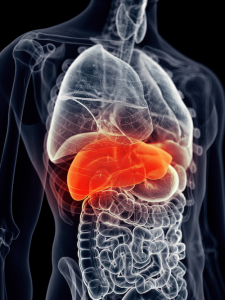 Your liver relies heavily on glutathione to:
- Neutralize toxins, pollutants, and chemicals
- Bind and remove heavy metals
- Break down byproducts of alcohol
- Support Phase I and Phase II detox pathways
- Protect liver cells from oxidative stress
Think of glutathione as a magnet that attaches to toxins, making them water-soluble so your body can safely eliminate them.
Modern life increases toxic burden through:
- Pesticides
- Plastics and microplastics
- Air pollution
- Cleaning products
- Processed foods
- Medications
- Alcohol
When glutathione is depleted, detox slows and symptoms like brain fog, fatigue, headaches, and sluggishness can appear.
Supporting glutathione levels helps your body stay clean, clear, and energized.
2 — Stronger, More Resilient Immune System
Your immune cells—especially lymphocytes—use glutathione as fuel.
Healthy levels help your immune system:
- Respond quickly to pathogens
- Fight bacteria and viruses
- Maintain a balanced inflammatory response
- Recover faster from illness
- Reduce oxidative stress during immune activation
Glutathione also helps regulate immune overreactions, making it important for long-term immune balance.
People with higher glutathione tend to:
- Get sick less often
- Recover more quickly
- Experience fewer symptoms during immune challenges
3 — More Energy & Mitochondrial Support
 Your mitochondria produce ATP, the molecule that powers every cell in your body. These mitochondria are extremely vulnerable to oxidative damage.
Glutathione protects them.
Benefits include:
- Higher daily energy
- Less fatigue after meals
- Better physical stamina
- Improved mental clarity
- More stable mood
- Enhanced workout recovery
When your mitochondria are healthy, EVERYTHING feels easier—thinking, moving, focusing, and even breathing.
4 — Anti-Aging & Longevity Support
The aging process is largely driven by oxidative stress and inflammation. Glutathione helps counteract both.
Anti-aging effects include:
- Reduced cellular damage
- Better DNA protection
- Slower mitochondrial decline
- Improved skin elasticity
- Reduced appearance of dark spots
- Better overall vitality
Higher glutathione levels are associated with healthier aging and greater longevity.
5 — Brighter, Clearer, More Youthful Skin
 Glutathione is one of the most popular antioxidants for skin health because it helps:
- Reduce oxidative damage to skin cells
- Promote a more even complexion
- Support healthy melanin pathways
- Improve brightness and radiance
- Protect against environmental stressors
It also works from the inside out, supporting collagen and elastin stability.
After supplementing with glutathione, many people notice:
- A more vibrant complexion
- Reduced dullness
- More balanced tone
- A healthier glow
6 — Better Brain Health & Cognition
Your brain uses more oxygen than almost any organ, which means it generates more oxidative stress. Glutathione is essential for protecting your neurons.
Benefits include:
- Sharper focus
- Better memory
- Improved mental clarity
- Reduced “brain fog”
- Support for long-term brain health
Healthy glutathione levels help maintain smooth communication between nerve cells, supporting clearer thinking and better moods.
7 — Reduced Inflammation & Improved Recovery
Inflammation is a natural response—but when it becomes excessive, it can contribute to discomfort, stiffness, and long-term health issues.
Glutathione helps:
- Maintain balanced inflammatory pathways
- Clear inflammatory byproducts
- Soothe stressed tissues
- Support faster recovery after physical activity
This makes it especially beneficial for athletes, active individuals, and anyone dealing with chronic or recurring inflammation.
8 — Gut Health & Microbiome Support
Glutathione supports the gut lining and helps reinforce immune defenses in the GI tract. It may:
- Support a balanced microbiome
- Help maintain a healthy gut barrier
- Reduce oxidative stress in digestive tissues
Because digestion and detoxification are closely connected, glutathione plays a role in overall digestive comfort and resilience.
9 — Metabolic & Weight Management Support
 While glutathione is not a weight-loss supplement, its effects on detoxification, inflammation, and mitochondrial health can indirectly support:
- More stable energy
- Better exercise performance
- Improved metabolic efficiency
Healthy mitochondria burn fuel more effectively, making glutathione an important foundation for metabolic wellness.
The Bottom Line
Glutathione is one of the rare nutrients that affects nearly every corner of your health. By protecting your cells, supporting your immune system, enhancing detoxification, and fueling your energy production, it helps your body perform at its best every single day.
Glutathione and Alcohol: Protecting the Liver
Your liver is your body’s central detox organ and glutathione is one of its most important tools. Every time you drink alcohol, your liver uses glutathione to break down and neutralize toxic byproducts. This process is essential for preventing oxidative damage, inflammation, and long-term stress on liver cells.
But here’s the problem:
Alcohol rapidly depletes glutathione levels, often faster than your body can replenish them.
How Alcohol Affects Glutathione Levels
When you consume alcohol, your liver converts it into a compound called acetaldehyde. Acetaldehyde is significantly more toxic than alcohol itself, and glutathione is required to neutralize it.
If glutathione levels are high:
- Your liver detoxifies alcohol efficiently
- Inflammation stays lower
- Oxidative stress is minimized
- You recover faster
If glutathione levels are low:
- Acetaldehyde lingers longer in your system
- Liver cells experience more stress
- You may feel sluggish or foggy
- Hangover intensity can increase
- Detox pathways become overloaded
Because heavy metals, toxins, and other pollutants also require glutathione to be removed from the body, alcohol can quickly overwhelm your detox capacity—especially during periods of increased drinking (like holidays, vacations, or social events).
Signs Alcohol Is Depleting Your Glutathione
 You may notice:
- Feeling drained the day after drinking
- More intense or longer-lasting hangovers
- Sensitivity to alcohol you didn’t have before
- Trouble sleeping after drinking
- Increased bloating or digestive discomfort
- Headaches or brain fog
These can be your body’s way of saying it doesn’t have enough glutathione to keep up.
How to Support Glutathione Levels When Drinking
While glutathione is not a “cure” for alcohol’s effects, supporting your levels can help your body handle the alcohol and oxidative stress more efficiently.
1. Drink in Moderation
Spacing drinks out gives your liver more time to detoxify.
2. Eat Before Drinking
Food slows alcohol absorption, giving your body more time to process toxins.
3. Stay Hydrated
Water helps flush out metabolic byproducts and reduces oxidative burden.
4. Support Glutathione Production
Because alcohol uses glutathione rapidly, supplementation may help restore levels and support liver health.
If someone regularly feels unwell after drinking—even in small amounts—it may be a sign their antioxidant defenses are low.
Does Glutathione Help with Hangovers?
Your glutathione levels play a major role in how your body responds to alcohol.
When levels are healthy:
- Alcohol byproducts are cleared faster
- Inflammation stays lower
- Headaches, fatigue, and fogginess are often reduced
If your glutathione levels are low, the opposite is true.
Does glutathione help with hangovers? Read our blog on it by clicking right here >>
The Bottom Line
Glutathione is essential for protecting your liver—especially during alcohol exposure. By maintaining healthy levels, you support:
- Faster detoxification
- Better next-day energy
- Reduced oxidative stress
- More balanced liver function
- Long-term cellular protection
This is one of the reasons people report feeling clearer, brighter, and more resilient when their glutathione levels improve.
Glutathione & Stress: How Your Antioxidant Levels Influence Your Stress Response
Stress isn’t just an emotional experience—it’s a biochemical event in your body. Whether you’re dealing with deadlines, long workdays, relationship pressures, poor sleep, or daily overwhelm, your body responds by increasing its production of stress hormones like cortisol and adrenaline.
What most people don’t realize is this:
Stress rapidly uses up glutathione.
In fact, chronic stress is one of the fastest ways to deplete your antioxidant defenses, leaving your cells more vulnerable to inflammation, oxidative damage, and fatigue.
This connection explains why prolonged stress often leads to exhaustion, brain fog, immune challenges, and accelerated aging.
Let’s break it down.
How Stress Depletes Glutathione
 When your body perceives stress, it produces more reactive oxygen species (ROS)—unstable molecules that cause oxidative stress. Your system then relies heavily on glutathione to neutralize these ROS before they damage cells.
During stress:
- Glutathione is used up rapidly
- The body struggles to recycle oxidized glutathione
- Inflammation increases
- Detoxification slows
- Mitochondria (energy producers) work less efficiently
This creates a cascade of symptoms that typically get blamed on “burnout,” when low glutathione is playing a major role.
Signs Stress Is Lowering Your Glutathione Levels
Many of the symptoms of chronic stress overlap with symptoms of low glutathione:
- Brain fog
- Constant fatigue
- Low motivation
- Trouble concentrating
- Feeling “wired but tired”
- Poor sleep quality
- Heightened inflammation
- Increased sensitivity to chemicals
- Digestive issues
- More frequent illness
If these feel familiar, it often means your glutathione reserves have been running low for a while.
Glutathione’s Role in Balancing the Stress Response
Healthy glutathione levels help your body handle stress more efficiently in several key ways:
1. Protects the Brain
Stress increases oxidative load in the brain. Glutathione buffers this, helping maintain clarity, calmness, and emotional resilience.
2. Helps Regulate Cortisol Levels
Oxidative stress makes cortisol stay elevated longer. Glutathione supports healthier cortisol recovery patterns.
3. Supports Better Sleep
Stress disrupts sleep cycles. Glutathione helps restore repair processes that happen during deep sleep.
4. Lowers Inflammation Triggered by Stress
By neutralizing ROS and supporting detoxification, glutathione helps keep inflammation in check.
5. Supports Mood and Cognitive Function
Healthy glutathione supports neurotransmitter balance, which plays a role in focus, mood, and overall mental sharpness.
The Vicious Cycle: Stress, Low Glutathione, Then More Stress
When stress lowers glutathione, your antioxidant defenses weaken. Weaker antioxidant defenses make you more reactive to stress.
This leads to the exhausting cycle many people fall into:
- Stress depletes glutathione
- Low glutathione increases inflammation
- Low glutathione reduces energy and sleep quality
- Reduced energy and poor sleep make stress worse
- The cycle repeats
This is why many people only start feeling like themselves again once they support their glutathione levels.
How to Support Glutathione During Stressful Periods
Here are ways to break the stress-oxidation cycle:
1. Prioritize Sleep
Deep sleep is when your body naturally replenishes glutathione.
2. Practice Daily Stress Relief
Meditation, walking, deep breathing, and yoga can all reduce oxidative stress.
3. Support Your Nutrition
Sulfur-rich foods (garlic, onions, broccoli), vitamin C, selenium, and amino acids help your body create glutathione.
4. Supplementation
When stress is high, your body may not keep up with glutathione demand. Supporting intake can make a significant difference in energy, resilience, and clarity.
The Takeaway
Stress is not just an emotional burden—it’s a biological event that dramatically increases your need for glutathione. Maintaining healthy glutathione levels helps you stay balanced, energized, focused, and resilient, even during life’s stressful seasons.
Glutathione & Exercise: Energy, Performance & Recovery
Whether you’re lifting weights, running, biking, practicing yoga, or simply staying active throughout your day, your body relies on glutathione to keep you energized, protected, and recovering efficiently.
Exercise is incredibly healthy, but it also increases oxidative stress. This is completely normal. In fact, the temporary oxidative spike is part of how your body adapts and becomes stronger.
But here’s the key:
The more you exercise, the more glutathione your body needs.
 Without enough glutathione to buffer the free radicals generated during physical activity, you may experience:
- Excessive fatigue
- Slower recovery
- Muscle soreness that lingers
- Reduced performance over time
- Higher inflammation
- Lower motivation to stay active
Supporting your glutathione levels before and after exercise can help your body perform better and bounce back quicker.
Why Exercise Increases Glutathione Demands
When you move, your muscles burn through more oxygen. More oxygen = more free radical production.
Your body uses glutathione to:
- Neutralize reactive oxygen species (ROS)
- Protect muscle fibers
- Support mitochondrial function
- Reduce inflammation after activity
- Promote faster tissue repair
If glutathione levels are depleted, muscles experience more oxidative stress, leading to slower recovery and lower performance.
Benefits of Healthy Glutathione Levels for Active Individuals
1. Better Energy Production
Your mitochondria work harder during exercise. Glutathione protects these energy-producing structures, helping you:
- Push harder
- Sustain endurance
- Avoid mid-workout crashes
Healthy glutathione = healthier energy.
2. Reduced Muscle Soreness
By helping regulate inflammation and oxidative stress, glutathione supports quicker recovery after workouts.
Many people notice:
- Less muscle tension
- Less soreness the next day
- Better flexibility and comfort
3. Faster Post-Workout Recovery
Exercise creates microscopic tears in your muscles—that’s normal. Glutathione helps repair these tissues more efficiently.
This supports:
- Improved strength gains
- Better performance
- Shorter recovery periods
4. Enhanced Physical Performance
When oxidative stress is controlled, your muscles contract more efficiently and fatigue more slowly.
Benefits may include:
- Better endurance
- Stronger lifts
- Improved stamina
- Greater motivation to keep training
5. Balanced Inflammatory Response
Inflammation is crucial for muscle adaptation, but too much can lead to injuries or soreness.
Glutathione helps maintain this delicate balance.
Why Athletes & Active People Often Have Lower Glutathione
High-intensity and long-duration exercise drain glutathione stores quickly. If your body doesn’t replenish them at the same rate, you may experience:
- Chronic fatigue
- Plateaus in performance
- Increased injury risk
- Immune challenges
- More oxidative stress
This is why glutathione support is so popular among athletes, trainers, and active wellness enthusiasts.
How to Support Glutathione for Exercise & Recovery
1. Ensure Sufficient Protein Intake
Amino acids are needed for glutathione synthesis.
2. Eat Foods That Boost Glutathione
Broccoli, asparagus, spinach, avocados, garlic, onions.
3. Prioritize Sleep
Muscle repair and glutathione regeneration occur during deep sleep.
4. Supplement Strategically
Because exercise increases oxidative stress, supplementation can help replenish glutathione more efficiently and support optimal recovery.
The Bottom Line
If you’re active—whether lightly or intensely—your body depends on glutathione to handle the oxidative stress created during exercise. Maintaining healthy levels helps you perform better, recover faster, and feel less exhausted after physical activity.
Glutathione Food Sources (Foods That Contain It & Foods That Boost Your Levels)
Supporting your glutathione levels through diet is one of the most natural ways to help your body maintain this powerful antioxidant. While your body makes glutathione on its own, certain foods can supply glutathione directly or support the nutrients and enzymes your body needs to synthesize more of it.
There are two categories to know:
- Foods that contain glutathione
- Foods that boost your body’s glutathione production
Understanding the difference can help you build meals that nourish your antioxidant defenses and support whole-body health.
Foods That Contain Glutathione Naturally
These foods contain small amounts of glutathione. While oral glutathione from diet is limited in absorption, including these foods can still contribute to your overall antioxidant intake.
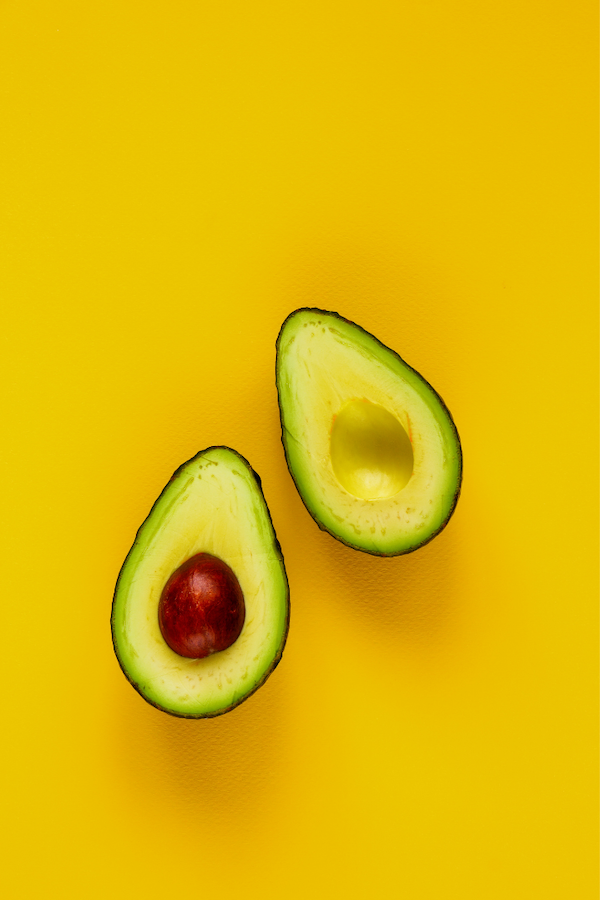 Vegetables rich in natural glutathione:
- Asparagus
- Spinach
- Avocado
- Zucchini
- Okra
- Potatoes
- Green beans
Fruits containing glutathione:
- Watermelon
- Grapefruit
- Oranges
- Strawberries
- Peaches
These foods are most beneficial when eaten raw or lightly cooked, as heat can reduce glutathione content.
Foods That BOOST Glutathione Levels (More Important)
These foods provide the building blocks or supportive nutrients your body needs to make glutathione efficiently.
These are FAR more effective than foods containing small amounts of glutathione.
A. Sulfur-Rich Vegetables (Crucial for Glutathione Production)
Sulfur is required for synthesizing glutathione, and these foods are some of the most powerful natural boosters:
- Broccoli
- Cauliflower
- Brussels sprouts
- Kale
- Cabbage
- Bok choy
- Collard greens
- Radishes
- Garlic
- Onions
- Shallots
- Leeks
These foods help the body produce cysteine—one of the rate-limiting amino acids needed to make glutathione.
B. Selenium-Rich Foods
Selenium supports the enzymes that recycle glutathione back into its active form (GSH).
Great sources include:
- Brazil nuts
- Sunflower seeds
- Mushrooms
- Brown rice
- Whole grains
- Seafood (tuna, sardines, salmon)
Even one Brazil nut can supply a significant amount of daily selenium.
C. Vitamin C–Rich Foods
Vitamin C helps regenerate glutathione and works synergistically with it.
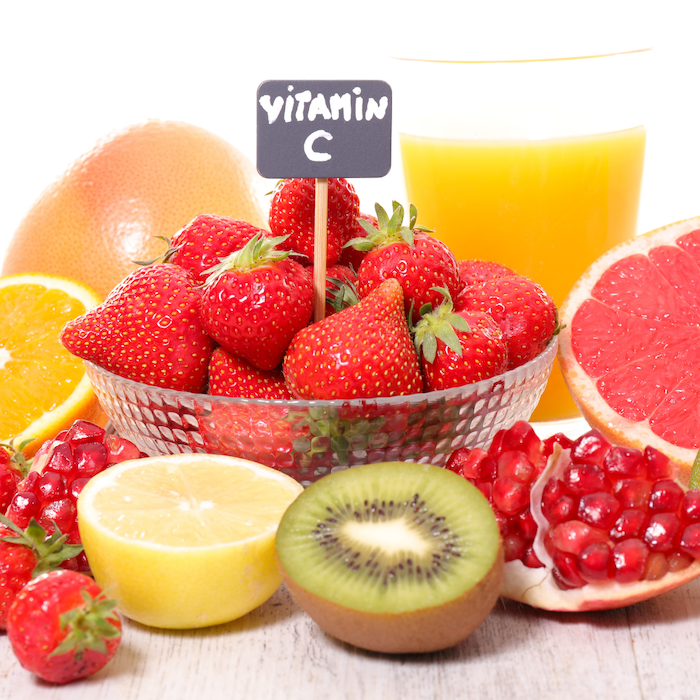 Foods include:
- Citrus fruits
- Kiwi
- Bell peppers
- Broccoli
- Tomatoes
- Strawberries
- Pineapple
A diet rich in vitamin C supports both immune and antioxidant systems.
D. Alpha-Lipoic Acid (ALA) Foods
ALA helps restore oxidized glutathione back into its active form.
Food sources:
- Spinach
- Broccoli
- Brussels sprouts
- Tomatoes
- Beets
ALA also supports healthy metabolism and energy.
E. High-Quality Protein Sources
Protein provides the amino acids (especially cysteine) needed to create glutathione.
Plant-based options:
- Lentils
- Chickpeas
- Black beans
- Quinoa
- Hemp seeds
- Chia seeds
- Pumpkin seeds
Animal-based options (for non-vegans):
- Eggs
- Turkey
- Chicken
- Cottage cheese
- Whey protein
F. Herbs & Spices That Support Glutathione
- Turmeric (curcumin)
- Cinnamon
- Ginger
- Cardamom
- Rosemary
Curcumin, in particular, has been shown to support the enzymes involved in glutathione production.
Why Food Sources Alone Aren’t Always Enough
While whole foods are essential for supporting your glutathione system, several factors can make dietary intake insufficient:
- Aging reduces glutathione synthesis
- Environmental toxins increase demand
- Chronic stress burns through reserves
- Alcohol reduces glutathione rapidly
- Poor sleep and processed foods interfere with production
This is why many people choose supplementation to maintain optimal levels—especially as they age or experience higher oxidative demands.
The Bottom Line
Eating a glutathione-supporting diet is one of the best ways to help your body produce and recycle this critical antioxidant.
But because modern life places such a heavy burden on your detox and antioxidant systems, food alone often isn’t enough to maintain optimal glutathione levels long-term.
How to Boost Glutathione Naturally (Lifestyle, Nutrition & Key Nutrients)
Your body is designed to make glutathione on its own. But modern life, stress, environmental toxins, poor sleep, and aging all make it harder to maintain optimal levels. The good news? There are many natural, science-backed ways to support the production and recycling of glutathione so your cells stay protected and energized.
This section covers the lifestyle habits, nutrients, and daily practices that help your body create and maintain healthy glutathione levels.
Lifestyle Habits That Boost Glutathione
These everyday actions can significantly strengthen your antioxidant defenses.
A. Prioritize High-Quality Sleep
 Glutathione production and recycling happen primarily during deep, restorative sleep.
Poor sleep = lower glutathione. Better sleep = higher glutathione.
Aim for:
- 7–9 hours per night
- A consistent sleep schedule
- Minimizing screens before bed
- A cool, dark sleep environment
B. Exercise Regularly
Moderate exercise increases your body’s natural antioxidant capacity over time.
Great options include:
- Walking
- Cycling
- Light jogging
- Swimming
- Strength training
- Yoga or Pilates
Though intensive exercise can temporarily deplete glutathione, regular movement boosts long-term production and resilience.
C. Reduce Stress
As we covered earlier, chronic stress burns through glutathione extremely quickly.
Stress-reducing techniques that help restore levels include:
- Meditation or mindfulness
- Deep breathing
- Nature walks
- Journaling
- Stretching or yoga
- Creative hobbies
Managing stress is one of the most effective ways to maintain healthy glutathione levels.
D. Avoid Excessive Alcohol
Alcohol consumption rapidly uses up glutathione stores as your liver breaks down toxins.
To support your levels:
- Drink in moderation
- Eat before drinking
- Stay hydrated
- Support your glutathione afterward
E. Limit Toxin Exposure Where Possible
Reducing your daily toxin burden gives your glutathione “room” to work more effectively.
Consider:
- Using natural cleaning products
- Avoiding synthetic fragrances
- Choosing organic foods when possible
- Using BPA-free containers
- Improving air quality at home
Small changes can significantly reduce oxidative stress.
Nutrients That Support Glutathione Production
Your body needs specific vitamins, minerals, and amino acids to create and recycle glutathione effectively.
These nutrients play a powerful role:
A. N-Acetyl Cysteine (NAC)
NAC is a precursor to cysteine, the most important amino acid required to make glutathione. It’s one of the most studied and effective glutathione-supporting nutrients.
B. Selenium
Selenium is crucial for the enzyme glutathione peroxidase, which recycles glutathione back into its active form (GSH).
Food sources include:
- Brazil nuts
- Sunflower seeds
- Brown rice
- Seafood
C. Vitamin C
Vitamin C works synergistically with glutathione. It:
- Helps regenerate depleted glutathione
- Supports immune and skin health
- Reduces oxidative stress
Foods high in vitamin C also support glutathione indirectly.
D. Alpha-Lipoic Acid (ALA)
ALA helps restore oxidized glutathione (GSSG) back into reduced glutathione (GSH).
It also:
- Supports healthy metabolism
- Improves mitochondrial energy
- Reduces oxidative stress
E. B Vitamins
B2, B6, B9 (folate), and B12 all play important roles in glutathione synthesis and methylation pathways.
B vitamins support detoxification, energy production, and resilience.
F. Zinc
Zinc supports antioxidant pathways and immune health, helping your body maintain glutathione levels more efficiently.
G. Magnesium
Magnesium supports hundreds of enzymatic reactions, including those connected to glutathione recycling and antioxidant defense.
Why Natural Methods Alone Aren’t Always Enough
While lifestyle and nutrition are foundational, many people still struggle to maintain optimal glutathione levels due to:
1. Aging
Production drops by ~10% per decade after age 20.
2. Stress
Rapidly depletes glutathione reserves.
3. Environmental Exposure
Pollution, pesticides, plastics, heavy metals, and chemicals all require glutathione to detoxify.
4. Poor Absorption from Traditional Supplements
Standard glutathione pills are often broken down in the digestive tract before they can be used.
5. High Physical or Mental Demand
Athletes and people with demanding lifestyles require higher glutathione turnover.
This is why many individuals choose liposomal glutathione for efficient absorption and consistent replenishment.
The Bottom Line
By combining smart lifestyle habits with the right nutrients—and, when needed, advanced supplements—you can significantly strengthen your antioxidant defenses and support long-term energy, detoxification, immunity, and overall health.
Glutathione Supplement Types (Oral, IV, Liposomal: Which Is Best?)
Not all glutathione supplements work the same way. Understanding the differences is crucial if you want to experience real benefits. Because glutathione is delicate and easily broken down, the delivery method plays a major role in how much your body can actually absorb and use.
Below, we explore the three most common forms of glutathione supplementation, their pros and cons, and which option offers the best results for most people.
Traditional Oral Glutathione (Pills or Powders)
This is the most widely available form of glutathione—but unfortunately, it’s also the least effective.
Why?
Standard glutathione is broken down by stomach acid and digestive enzymes before it can be absorbed into your bloodstream. This means only a small fraction of the dose may actually reach your cells.
Pros
- Easy to find
- Inexpensive
- Convenient to take
Cons
- Poor absorption
- Much of it is degraded before use
- Inconsistent results
Best for
People who want a very low-cost option and aren’t concerned about absorption efficiency.
IV Glutathione (Intravenous Drip)
IV glutathione delivers glutathione directly into the bloodstream. It bypasses digestion entirely, allowing for high absorption.
Pros
- High bioavailability
- Rapid effect
- Useful in clinical settings
Cons
- Expensive
- Must be done in a clinic
- Requires needles and appointments
- Not practical for ongoing daily support
Best for
Short-term or targeted glutathione support under professional supervision.
Liposomal Glutathione
Liposomal glutathione is a breakthrough approach to delivering this antioxidant safely and efficiently.
How It Works
 The glutathione is encapsulated in a tiny “bubble” made of phospholipids (similar to cell membranes). These liposomes protect glutathione from stomach acid and allow it to be absorbed directly into the bloodstream and cells.
Pros
- Exceptional absorption compared to standard pills
- Protected from breakdown in the stomach
- Convenient for daily use
- Offers results closer to IV glutathione without the cost or inconvenience
Cons
- Higher quality products may cost more than standard pills
- Effectiveness depends on the quality of the liposomal technology
Best for
Anyone wanting reliable, highly absorbable glutathione with noticeable benefits for energy, detoxification, skin health, stress support, and immunity.
The Bottom Line: Which Form Is Best?
If you’re looking for:
- Better energy
- Stronger immunity
- Enhanced detoxification
- Clearer skin
- Improved focus
- Long-term antioxidant protection
…liposomal glutathione is the most practical and effective option for everyday support.
It combines the high absorption of IV glutathione with the convenience of oral supplementation, making it the most trusted form for long-term wellness routines.
Why Choose Liposomal Glutathione?
By now, you know that glutathione is one of the most important antioxidants your body relies on—and that not all forms of glutathione supplements deliver the same benefits.
This is where liposomal glutathione stands out. It’s designed to solve one of the biggest challenges in supplementation: absorption.
Traditional glutathione supplements struggle to survive the digestive process, but liposomal technology transforms how efficiently your body can use this powerful antioxidant.
Let’s break down why liposomal glutathione is the superior choice and what makes Purality Health’s formula different from anything else on the market.
What Is Liposomal Technology?
Imagine trying to deliver a fragile package through a storm. If you leave it unprotected, it gets destroyed before it reaches its destination.
That’s what happens to most glutathione supplements. They enter the digestive system unprotected and are broken down before your body can absorb them.
Liposomes solve this.
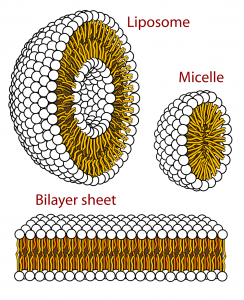 A liposome is a tiny sphere made of phospholipids—the same building blocks that make up your cell membranes. When glutathione is encapsulated inside these spheres:
- It becomes shielded from stomach acid
- It bypasses digestive breakdown
- It is absorbed more efficiently
- It can enter cells directly
This results in dramatically improved bioavailability compared to standard pills or powders.
Why Liposomal Glutathione Absorbs Better
Liposomal glutathione has several advantages:
A. Protection From Stomach Acid
The liposome acts like a protective bubble, preventing glutathione from being damaged during digestion.
B. Enhanced Absorption Through Cell Membranes
Because liposomes are made of cell-identical phospholipids, your body recognizes them and easily absorbs them.
C. Direct Transport Into the Bloodstream
Liposomal glutathione can pass through the gut lining more efficiently, making its way into circulation and then into your cells.
D. Efficient Delivery to Mitochondria
Mitochondria rely heavily on glutathione for energy production and defense. Liposomal delivery helps ensure it actually gets there.
E. Better Consistency of Results
Unlike standard glutathione (which varies in how much is absorbed from person to person), liposomal technology offers a more predictable and reliable effect.
Why Purality Health’s Glutathione Is Different
Not all liposomal supplements are created equal. Many brands use basic liposomal methods that produce larger, less stable particles or formulas that break down quickly.
Purality Health takes a more advanced approach.
A. Micelle Liposomal Technology
Purality Health uses a cutting-edge delivery system that combines:
- Micelles (tiny absorption-enhancing spheres)
- Liposomes (cell-membrane-like protectors)
This dual-layer encapsulation is designed to dramatically enhance stability and absorption, giving your body the ability to use more of the glutathione you’re taking.
B. Ultra-Small Particle Size
Smaller particles = better absorption. Our formula is engineered to maintain optimal particle size for max bioavailability.
C. High-Quality Ingredients
Purality Health uses premium, clean ingredients without unnecessary fillers. Every ingredient is carefully selected to support purity and effectiveness.
D. Third-Party Testing
Every batch undergoes rigorous testing to ensure:
- Potency
- Purity
- Stability
- Safety
This is crucial for a supplement as delicate and important as glutathione.
E. Highly Absorbable, Gentle on the Stomach
Because of the micelle liposomal system, the glutathione avoids harsh breakdown in the digestive tract and is gentle even for sensitive individuals.
Who Can Benefit Most from Liposomal Glutathione?
While almost everyone can benefit from higher antioxidant levels, liposomal glutathione is especially helpful for people dealing with:
- High stress
- Fatigue or low energy
- Poor detoxification
- Brain fog
- Skin concerns
- Aging-related oxidative stress
- Frequent illness
- Busy lifestyles
- Alcohol consumption
- Exposure to pollution or chemicals
- High-demand workouts
This delivery method ensures your cells actually receive the support they need.
The Bottom Line
If you want a glutathione supplement that:
- Survives digestion
- Absorbs efficiently
- Delivers real, noticeable benefits
- Supports energy, detoxification, skin, immunity, and stress resilience
…liposomal glutathione is the gold standard.
Purality Health takes this a step further with advanced micelle liposomal technology by providing a level of absorption and quality that stands above traditional supplements.
Safety, Side Effects & Who Should Avoid Glutathione
Glutathione is one of the most researched and widely used antioxidants in the wellness world. For most people, it’s considered very safe and well tolerated. Because your body naturally produces glutathione, supplementing with it typically feels gentle, supportive, and free from harsh effects.
That said, it’s important to understand safety considerations, mild potential side effects, and special cases where someone should speak with their healthcare provider before supplementing.
Is Glutathione Safe?
For the general population, glutathione is considered safe, non-toxic, and well tolerated—even at higher supplemental doses.
This is because:
- It’s a molecule your body produces naturally
- Your cells know exactly how to use it
- Excess amounts are typically broken down and excreted
Glutathione is used in both clinical settings and long-term wellness programs, and adverse effects are rare.
Potential Mild Side Effects
Side effects are uncommon, but some people may experience:
Digestive changes
- Bloating
- Mild cramping
- Nausea
These are more common with traditional pills, which are harder to digest. Liposomal formulas tend to be gentler on the stomach.
Headache or light fatigue
This can occur when detoxification ramps up, as your body is clearing out waste more efficiently.
Skin changes
Some individuals notice temporary shifts in complexion during detox or antioxidant rebalance.
These effects are typically mild and resolve on their own.
Who Should Avoid Glutathione or Speak to a Healthcare Provider Before Taking Glutathione?
While glutathione is generally safe, certain people should consult professional guidance:
A. Pregnant or breastfeeding individuals
There is not enough research on glutathione supplementation during pregnancy or nursing to recommend routine use.
B. Anyone with a chronic medical condition
Especially conditions involving:
- The liver
- The kidneys
- The immune system
- The respiratory system
C. Individuals taking certain medications
Because glutathione plays a role in detoxification pathways, people on medication should check for potential interactions.
D. Those undergoing chemotherapy or cancer treatment
Always consult an oncologist before adding any antioxidant supplement, including glutathione.
E. Individuals with sulfur sensitivities
Glutathione contains sulfur-based amino acids. Those sensitive to sulfur-containing foods or supplements may want to evaluate tolerance carefully.
How to Start Glutathione Safely
If you’re new to glutathione, consider these tips:
Start with a consistent routine
Glutathione works cumulatively—take it daily for best results.
Stay hydrated
This supports detoxification and reduces the chance of mild detox-related discomfort.
Listen to your body
If you experience digestive sensitivity, try taking the supplement with food or adjusting timing.
Choose a high-quality formula
Liposomal forms are gentler because they bypass much of the digestive breakdown that can cause discomfort.
The Bottom Line on Glutathione Safety
Glutathione is one of the safest antioxidant supplements available and is naturally produced by your own body. Most people experience only benefits such as more energy, clearer thinking, better skin, and stronger resilience.
As always, individuals with underlying medical conditions or special circumstances should speak with a healthcare professional before beginning any new supplement routine.
Glutathione FAQs
1 — What does glutathione do for the body?
Glutathione protects your cells from oxidative stress, supports detoxification in the liver, boosts your immune system, and helps your mitochondria produce energy. It also recycles other antioxidants like vitamins C and E, making it essential for whole-body wellness.
2 — What are the benefits of taking glutathione?
Commonly reported benefits include improved energy, clearer thinking, stronger immunity, better detoxification, brighter skin, improved recovery after exercise, and healthier aging.
3 — How do I know if I need glutathione?
Symptoms of low glutathione include fatigue, brain fog, dull skin, frequent illness, slow recovery after exercise, sensitivity to chemicals or alcohol, and poor sleep. These can indicate that your antioxidant defenses need support.
4 — Can you take glutathione every day?
Yes. Glutathione is safe for daily use because it’s a molecule your body naturally produces. Many people take it daily to support consistent energy, detoxification, and immunity.
5 — How long does it take for glutathione to work?
Some people notice changes—like improved energy or clearer thinking—within days, while deeper benefits (like skin radiance or immune support) may take several weeks of consistent use.
6 — Is glutathione safe?
For most people, glutathione is considered very safe and well tolerated. Individuals with underlying health conditions, pregnancy, or those taking certain medications should consult their healthcare provider before starting supplementation.
7 — Does glutathione help with skin brightening?
Glutathione supports a brighter, more even complexion by reducing oxidative stress and promoting healthy melanin pathways. This can lead to a healthier glow and more balanced skin tone over time.
8 — Does glutathione help with stress?
Yes. Chronic stress depletes glutathione quickly. Healthy levels help protect the brain, support balanced cortisol responses, and maintain calmer, more stable energy throughout the day.
9 — Is glutathione good for your liver?
Glutathione is one of the liver’s most important antioxidants. It binds to toxins, supports detox pathways, and helps protect liver cells from damage caused by alcohol, pollutants, and metabolic waste.
10 — When should I take glutathione? Morning or night?
Consistency matters more than timing, but many people prefer taking glutathione in the morning for energy support or in the evening for recovery and detoxification. Liposomal formulas are absorbed well at any time.
11 — Can I take glutathione with other supplements?
Generally, yes. Glutathione works well alongside vitamin C, B vitamins, magnesium, selenium, and turmeric. However, always consult a healthcare provider if you are on medication or managing a medical condition.
12 — What destroys glutathione in the body?
Major glutathione depleters include stress, alcohol, poor sleep, environmental toxins, processed foods, inflammation, and aging. Supporting your antioxidant levels can help counteract these effects.
13 — Can glutathione help with brain fog?
Yes. Glutathione protects neurons from oxidative stress and supports mitochondrial energy, which can improve mental clarity, focus, and memory.
14 — Does glutathione help with aging?
Glutathione supports healthier aging by reducing oxidative damage, protecting DNA, and supporting mitochondrial efficiency. It helps maintain cellular vitality as you grow older.
15 — Is liposomal glutathione better than regular glutathione?
Yes. Liposomal glutathione is designed to survive digestion and enter the bloodstream more efficiently. This makes it significantly more absorbable and effective than standard glutathione pills or powders.
>> If you have any other questions about glutathione, click here for our Glutathione FAQ page.
Why Choose Purality Health® Liposomal Glutathione
By now, you’ve seen how essential glutathione is for your energy, immunity, detoxification, cognition, and overall wellness. You’ve also learned that how you take glutathione matters just as much as taking it at all.
Traditional glutathione supplements struggle to survive digestion. IV glutathione works well but is expensive, inconvenient, and unrealistic for daily use.
That’s why Purality Health® Liposomal Glutathione is designed to deliver the highest level of support in the most convenient, absorbable way possible.
Here’s what makes it different:
Advanced Micelle Liposomal Delivery for Superior Absorption
Most glutathione supplements break down before your body can use them. Purality Health’s micelle liposomal technology is engineered to solve this problem.
How it works:
- Glutathione is encapsulated in a protective liposome
- That liposome is further stabilized in a micelle
- These structures shield glutathione through digestion
- They enhance transport into the bloodstream
- Your cells receive more of what you’re taking
This dual-layer system is designed to offer absorption levels closer to IV glutathione without the needles or appointments.
Clean, Premium Ingredients You Can Trust
Every bottle is formulated with:
- No unnecessary fillers
- High-quality, research-backed ingredients
- Clean, gentle phospholipids
- A focus on purity, potency, and consistency
Purality Health products are vegan-friendly, non-GMO, and made with your long-term wellness in mind.
Third-Party Tested for Purity, Potency & Safety
Every batch is tested to ensure you get:
- The correct dose
- Consistent quality
- A product free from contaminants
- Reliable, trustworthy results
This level of transparency is essential with a delicate molecule like glutathione.
Designed for Real, Everyday Benefits You Can Feel
Customers choose Purality Health’s Liposomal Glutathione because it supports key areas of wellness, including:
Energy & Vitality
Feel more awake, alert, and capable throughout the day.
Detoxification & Liver Support
Glutathione helps neutralize and remove toxins—especially alcohol and environmental pollutants.
Immune Support
Your immune cells rely on glutathione to function properly.
Skin Appearance
Glutathione promotes a healthy glow and supports clearer, more even-looking skin.
Mental Clarity
Supports focus, memory, and reduced brain fog.
Healthy Aging
Glutathione protects your cells, mitochondria, and DNA from oxidative stress.
Gentle, Great-Tasting, and Easy to Take Daily
This formula is:
- Liquid
- Smooth
- Convenient
- Easy on digestion
- Perfect for consistent daily use
Just one daily serving is all most people need to support their glutathione levels long-term.
When You Want the Best, Quality Matters
If you’re serious about supporting:
- Your energy
- Your immunity
- Your detox pathways
- Your skin
- Your clarity
- Your stress resilience
- Your healthy aging
…then choosing a formula that actually absorbs is the most important step.
That’s why so many people trust Purality Health® Liposomal Glutathione as part of their wellness routine.
A Smart Next Step for Your Wellness Journey
Whether you’re experiencing signs of low glutathione, want to support your body’s natural detoxification, or simply want more energy and resilience each day, Purality Health’s formula is crafted to help you feel your best—naturally.
>> Learn more about Purality Health® Liposomal Glutathione and see current savings by clicking here.
The Power of Supporting Your Glutathione Levels
Glutathione isn’t just another antioxidant—it’s one of the most essential molecules your body relies on every single day. Especially when it’s liposomal glutathione.
From protecting your cells and fueling your energy to supporting detoxification, immunity, brain health, skin appearance, and overall resilience, glutathione truly is the master antioxidant for whole-body wellness.
But modern life places enormous pressure on this system.
Stress, poor sleep, pollution, alcohol, processed foods, and natural aging all drain glutathione faster than your body can replenish it. That’s why so many people experience fatigue, brain fog, dull skin, hormonal imbalance, slow recovery, and an overall loss of vitality without ever knowing why.
The good news?
You can support your glutathione levels—naturally.
Simple daily habits make a difference:
- Eating sulfur-rich vegetables
- Prioritizing sleep
- Reducing stress
- Staying active
- Limiting toxin exposure
But because glutathione is difficult to absorb in standard supplement forms—and declines steadily with age—many people find the greatest benefits come from adding a high-quality liposomal glutathione to their routine.
Liposomal delivery is designed to protect glutathione through digestion and help your body absorb and use it efficiently. That’s why Purality Health’s Micelle Liposomal Glutathione is such a powerful option for supporting your long-term wellness.
With enhanced absorption, clean ingredients, and science-backed technology, it gives your cells the antioxidant fuel they need to help you:
- Feel more energized
- Think more clearly
- Age more gracefully
- Recover more easily
- Handle stress more effectively
- Maintain strong immune defenses
- Enjoy brighter, healthier-looking skin
- Support whole-body vitality
Glutathione is the foundation of your body’s internal defense system, and strengthening that foundation can help you feel better every single day.
If you’re ready to experience the difference for yourself:
>> Explore Purality Health’s Micelle Liposomal Glutathione here
And remember—supporting your glutathione levels isn’t just a quick fix. It’s an investment in your long-term energy, clarity, resilience, and cellular health.
You only get one body. Give it the antioxidant it depends on the most.