
You eat fairly well. You try to move your body. You drink water. You probably even take a supplement or two.
So why do you still feel run-down every winter… catch colds more often than you’d like… or take forever to bounce back when you do get sick?
Here’s the truth most people never hear:
You can be “healthy” and still be quietly low in vitamin C—especially in winter.
Cold weather, higher stress, poor sleep, less fresh produce, and constant exposure to germs all dramatically increase your body’s demand for vitamin C. And because your body can’t store it, your levels can drop faster than you realize.
The problem? Low vitamin C doesn’t always show up as some dramatic deficiency.
Instead, it shows up as subtle, frustrating symptoms most people brush off as “just winter.”
Below are 9 surprisingly common signs your vitamin C levels may be lower than you think—even if you consider yourself healthy.
1. You Catch Colds More Often Than You Used To
 Think back a few years. You might’ve gotten sick once a winter—maybe twice. Now? It feels like every other month you’re dealing with:
- A scratchy throat
- A stuffy nose
- Or that “I think I’m coming down with something” feeling
This is one of the earliest and most common signs of low vitamin C.
Vitamin C plays a direct role in:
- Activating white blood cells
- Helping them travel to infection sites
- And supporting your body’s first line of respiratory defense
When vitamin C levels are low, your immune response becomes:
- Slower to react
- Less aggressive
- And easier for viruses to overwhelm
That doesn’t mean you’ll be constantly sick. But it does mean you’re more likely to catch whatever is circulating around you.
And in winter, “whatever is circulating” is basically everything.
2. Your Colds Seem To Linger Forever
It’s one thing to get sick. It’s another thing to feel like you never fully recover.
If your winter colds:
- Used to last a few days
- But now drag on for 10… even 14 days
- With a lingering cough, congestion, or fatigue
Low vitamin C may be part of the reason.
This is because vitamin C is critical for:
- Tissue repair in your throat, lungs, and sinuses
- Controlling excess inflammation after the infection phase
- Helping your immune system properly “stand down” once the threat passes
When your vitamin C levels are low, your body can still fight the virus—but it often takes longer to clean up the damage afterward.
That’s when you get stuck in that frustrating gray zone: “I’m not really sick anymore… but I don’t feel normal either.”
That slow, dragged-out recovery is a classic low-vitamin-C pattern in winter.
3. You Feel Run-Down Even When You Sleep “Enough”
 You go to bed at a reasonable hour. You get your 7 or 8 hours. And yet… you still wake up feeling tired.
By midday, you’re yawning. By afternoon, you’re dragging. By evening, you’re wiped again.
This kind of low-grade, lingering fatigue is incredibly common in winter—and low vitamin C is often part of the picture.
Vitamin C plays a role in:
- Supporting your adrenal glands, which help regulate your stress response
- Buffering the wear and tear from higher stress hormones
- Supporting normal energy metabolism
In winter, your body burns through vitamin C faster due to:
- Higher mental and emotional stress
- Poorer sleep quality
- More inflammation from repeated minor infections
If your vitamin C intake doesn’t keep up, that constant “tired but wired” feeling can quietly set in.
4. You Bruise Easily Or Heal Slowly
Ever notice a random bruise and think:
“Where did that come from?”
Or you cut yourself lightly and feel like it’s taking forever to heal? That’s another classic sign your vitamin C levels may be lower than optimal.
Vitamin C is essential for collagen production. This is the structural protein that helps:
- Keep your blood vessels strong
- Support your skin’s integrity
- And speed up wound healing
When vitamin C is low:
- Blood vessels become more fragile → bruising happens more easily
- Skin repairs itself more slowly → cuts and scrapes linger longer than they should
Most people chalk this up to “aging” or “bad luck.”
But in many cases, it’s simply a quiet reminder that your body doesn’t have all the building blocks it needs to repair itself efficiently—especially during the stress of winter.
5. Your Gums Bleed When You Brush Or Floss
If your gums bleed a little when you brush or floss, it’s easy to assume:
- You brushed too hard
- You need a different toothbrush
- Or you just skipped flossing for too long
But frequent gum bleeding is actually one of the earliest warning signs of low vitamin C.
Vitamin C is crucial for:
- Collagen production (which keeps gums firm and resilient)
- Blood vessel strength (which helps prevent easy bleeding)
- And controlling inflammation in the tissues of your mouth
When vitamin C levels drop:
- Gums become more fragile
- Tiny blood vessels break more easily
- And inflammation becomes harder to control
Severe deficiency leads to scurvy. But mild, subclinical deficiency shows up first as bleeding gums.
Most people never connect the dots. They just switch toothbrushes and move on.
6. You Get Sick Right After Someone Around You Does
 Someone at work gets sick. A family member starts coughing. A friend texts, “I think I’m coming down with something.”
And a few days later… you’re sick too. Every time.
That pattern often points to a slow or underpowered early immune response—something vitamin C is directly involved in.
Vitamin C helps your immune system:
- Detect invaders faster
- Mobilize white blood cells quickly
- And mount a strong first-line defense in your respiratory tract
When vitamin C levels are low, your immune system still responds—but it often responds too slowly.
By the time your body fully ramps up its defenses, the virus has already gained ground, leading to:
- A higher chance of getting sick
- Stronger symptoms
- And a longer recovery window
If you’re always the “next domino” to fall when illness goes around, that’s a subtle but powerful clue your immune defenses may not be fully supported.
7. Your Skin Looks Dull, Dry, Or Lifeless In Winter
If your skin:
- Looks more gray than glowing
- Feels constantly dry no matter how much moisturizer you use
- Or seems thinner, rougher, and less resilient in winter
Low vitamin C could be part of the reason.
Vitamin C plays a major role in:
- Collagen production (which gives skin firmness and bounce)
- Skin barrier strength (which helps lock in moisture)
- And antioxidant protection against environmental stress
Winter is brutally hard on your skin:
- Cold air outside
- Dry, heated air inside
- Less fresh, vitamin-rich produce
- More inflammation from stress and illness
When vitamin C levels are low, your skin loses some of its ability to:
- Repair itself
- Defend itself
- And maintain that healthy glow
So while people often blame winter skin issues on “the weather,” in many cases, it’s the combination of harsh conditions plus low vitamin C that makes skin look tired and lifeless.
8. You Rely On Orange Juice — But Rarely Eat Fresh Produce
 For a lot of people, “getting vitamin C” in winter means one thing:
Orange juice.
And while OJ does contain vitamin C, it often creates a false sense of security.
Here’s why that can be a problem:
- Most store-bought juice is pasteurized, which reduces vitamin C
- It delivers a big sugar hit without much fiber
- And it often replaces whole fruits and vegetables instead of adding to them
On top of that, winter diets naturally shift toward:
- More processed comfort foods
- Fewer raw fruits and vegetables
- More cooked meals (which destroy a large portion of vitamin C)
Even people with “pretty good” diets can quietly fall below optimal vitamin C intake during the colder months without ever realizing it.
If orange juice is your main vitamin C strategy, there’s a good chance your levels aren’t as strong as you think.
9. You Only Take Vitamin C When You’re Already Sick
This one is huge (and incredibly common).
Most people only think about vitamin C when:
- Their throat feels scratchy
- Their nose starts running
- Or they’re already laid up on the couch
The problem? Your body can’t store vitamin C.
That means if you aren’t taking it daily, your blood levels drop quickly, and your immune system has nothing extra to draw from when a virus hits.
So when you wait until you’re already sick to take vitamin C, you’re often:
- Playing catch-up instead of staying protected
- Supporting recovery instead of prevention
- And missing out on the biggest benefit vitamin C actually offers: immune resilience
Consistent daily intake is what keeps your immune system prepared. Reaction-only use keeps you one step behind.
Why Vitamin C Drops Faster In Winter (And Most People Don’t Notice)
Winter quietly drains vitamin C faster than any other season because of:
- Higher physical and emotional stress
- Poorer sleep
- Repeated viral exposure
- Less fresh, raw produce
- More inflammation from cold air and indoor dryness
Even people who feel “generally healthy” can slip into low vitamin C status without realizing it until the signs start stacking up.
Why Traditional Vitamin C Often Fails To Fix The Problem
Many people do try to supplement… but still don’t feel a difference.
Why?
Because traditional vitamin C:
- Has absorption limits
- Often causes digestive discomfort at higher doses
- And leads to a lot of vitamin C being flushed out instead of used
That’s why some people assume:
“Vitamin C just doesn’t work for me.”
In reality, the issue is often delivery—not the nutrient itself.
The Smarter Daily Solution: Micelle Liposomal Vitamin C
 If your goal is to:
- Stay more resilient through winter
- Get sick less often
- Recover faster when you do
- And avoid the digestive issues of high-dose tablets
Then how well your vitamin C absorbs matters just as much as how much you take.
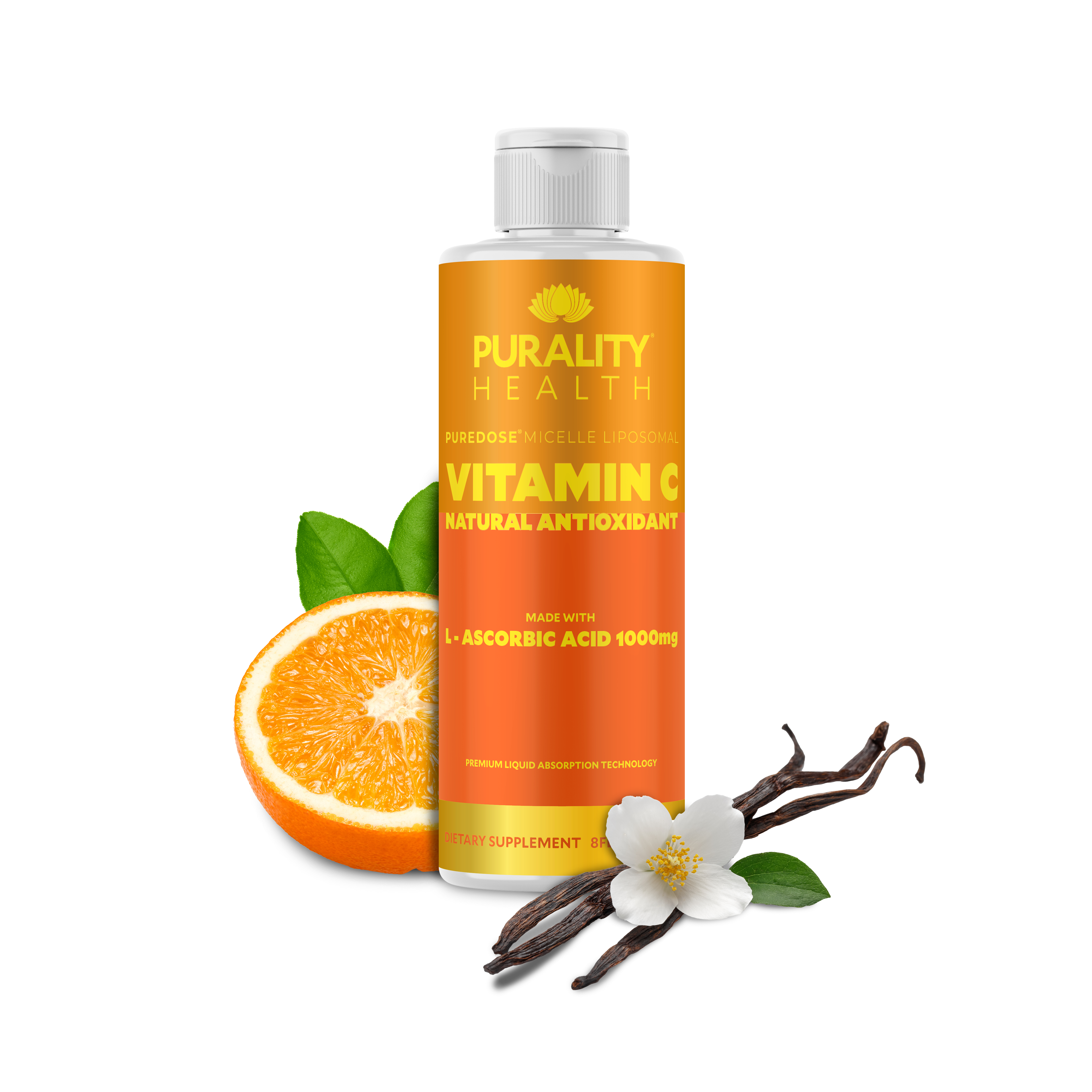
That’s exactly why Purality Health’s Micelle Liposomal Vitamin C was created.
It’s designed to:
- Deliver vitamin C efficiently
- Be gentle on your stomach
- And support steady daily blood levels—not just short bursts during illness
Not as a panic supplement. But as daily winter immune insurance.
>>> Don’t fall begins this winter — get all the vitamin C you need by clicking here (special offer inside)