
Zinc is one of the most important minerals your body needs — yet most people never think about it until something goes wrong.
You might have heard of zinc for colds or immune support, but it does so much more than that. Zinc plays a role in immune function, hormone balance, skin repair, digestion, brain function, and even appetite regulation. [1]
But here’s the tricky part: your body can’t make zinc on its own. You have to get it from food or supplements — and even then, your body needs to be able to absorb it.
Today we’re breaking down the 7 most common signs your body may be low in zinc — even if you don’t know it.
 💡 1. You Get Sick Often or Take Forever to Recover
Zinc is a big player in your immune system. It helps your white blood cells function properly and supports your body’s early response to viruses and bacteria.
If your immune system is low on zinc, your body might struggle to fight infections quickly.
What science shows: zinc supports the activity of immune cells and plays an important role in inflammatory responses. Studies link low zinc status with increased susceptibility to infection. [2, 3]
Ask yourself: Do you catch every bug that’s going around? Does it take weeks to feel normal again?
💡 2. Your Wounds Take Forever to Heal
Zinc helps your cells grow and divide — and that’s essential when your body is repairing cuts, scrapes, or surgical wounds.
If your skin is slow to heal, it might be your body saying it doesn’t have enough of this mineral.
Backed by research: zinc is essential for DNA synthesis, cell division, and tissue repair — all critical for healing. [2, 4]
Notice this? Scrapes, itchiness, or irritated skin that just won’t clear up.
💡 3. Hair Loss or Brittle Nails
Your hair and nails are made from rapidly growing cells. Those cells rely on nutrients like zinc for growth and repair.
When zinc is low, those cells struggle, and you may notice:
- Hair thinning
- Nails that split
- Nail ridges
What studies and experts note: zinc deficiency is associated with hair loss and changes in nails. [5]
Think about it: Has your hair been shedding more than usual?
 💡 4. Frequent Digestive Upsets
Zinc also supports gut health — especially the lining of your digestive tract.
Low zinc levels can show up in:
- Bloating
- Diarrhea
- Lower nutrient absorption
And chronic digestive issues can make it harder for your body to absorb zinc in the first place.
Trusted source insight: chronic diarrhea has been linked to zinc deficiency. [5]
💡 5. Poor Appetite or Unintentional Weight Loss
Did you know zinc helps your body taste and enjoy food?
Early deficiency can dull your sense of taste and appetite, which can lead to eating less than your body needs.
Research says: zinc deficiency is linked to changes in appetite and taste perception. [6]
Real talk: If food doesn’t seem as appealing as it used to — that’s not normal.
💡 6. Mood Changes or Brain Fog
Zinc plays a role in brain signaling and neurotransmitter function — meaning it influences mood, memory, and focus.
Low zinc is more common in people experiencing:
- Brain fog
- Irritability
- Difficulty concentrating
- Low motivation
Science-backed: studies connect zinc levels with cognitive performance and mood regulation. [7]
If your focus isn’t what it used to be, zinc could be part of the puzzle.
💡 7. Slow Growth or Recovery
Zinc is necessary for cell growth and repair, and that matters at all ages.
In children, low zinc can slow growth and development. For adults, it can mean slower recovery from stress, workouts, or injury.
Clinical context: zinc plays a role in growth and regeneration across the lifespan. [8, 9]
🧠 Why Zinc Deficiency Is Hard to Spot
Here’s the frustrating part: standard zinc blood tests aren’t always reliable. Your levels might look “normal” on paper even when your body is running low.
And even if you eat zinc-rich foods like oysters, beef, pumpkin seeds, or beans, absorption can be blocked by compounds like phytates (found in legumes and whole grains), meaning your body still might not get enough.
🍽 How to Support Healthy Zinc Levels
 Zinc is found in:
- Oysters and shellfish
- Red meat and poultry
- Pumpkin seeds
- Nuts
- Whole grains
But food alone isn’t always enough — especially if you have:
- Stress
- Digestive issues
- Aging cells
- Heavy metal exposure
That’s where smarter supplementation makes a difference.
🌟 Why Better Absorption Matters
Not all zinc supplements are created equal.
Standard zinc pills have to survive stomach acid before your body can use them — and a lot of that zinc gets lost along the way.
That’s why micelle liposomal delivery matters.
With micelle liposomal technology:
- Zinc is protected on its route to absorption
- More of it gets into your bloodstream
- More of it gets into cells where it’s needed
This means more reliable results, especially for people who struggle with digestion or absorption.
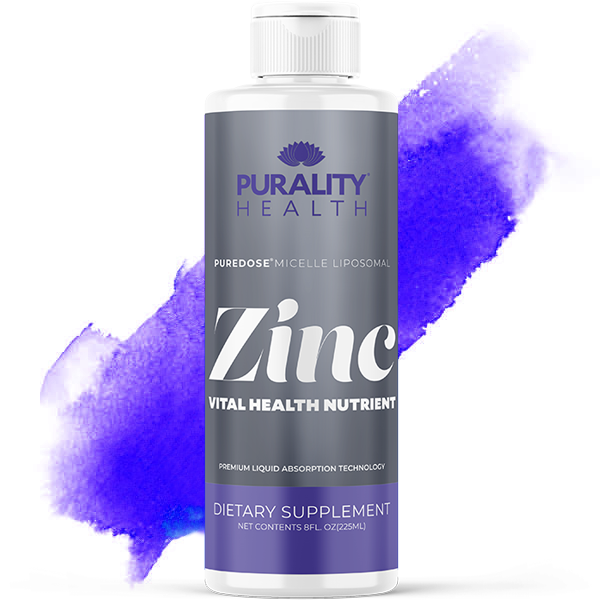 🧡 Purality Health’s Micelle Liposomal Zinc: A Better Way
If you suspect any of these symptoms in yourself — or just want to support your health proactively — investing in a highly absorbable zinc like Micelle Liposomal Zinc can make a real difference.
It’s crafted to maximize absorption and make zinc work the way your body expects it to — reaching your cells instead of being lost in digestion.
➡️ Learn more about Micelle Liposomal Zinc and how it supports immune health, skin, mood, and more.
🧾 Final Thoughts
Zinc is a small mineral with big importance.
If you’re noticing:
- Low energy
- Slow healing
- Frequent sickness
- Brain fog
- Poor appetite
…it’s worth considering whether your body has enough zinc and whether it’s reaching your cells.
Your body doesn’t send warnings for no reason.
Taking steps to support zinc levels today can help you feel stronger, sharper, and healthier tomorrow.
👆 Learn more by tapping the link above.